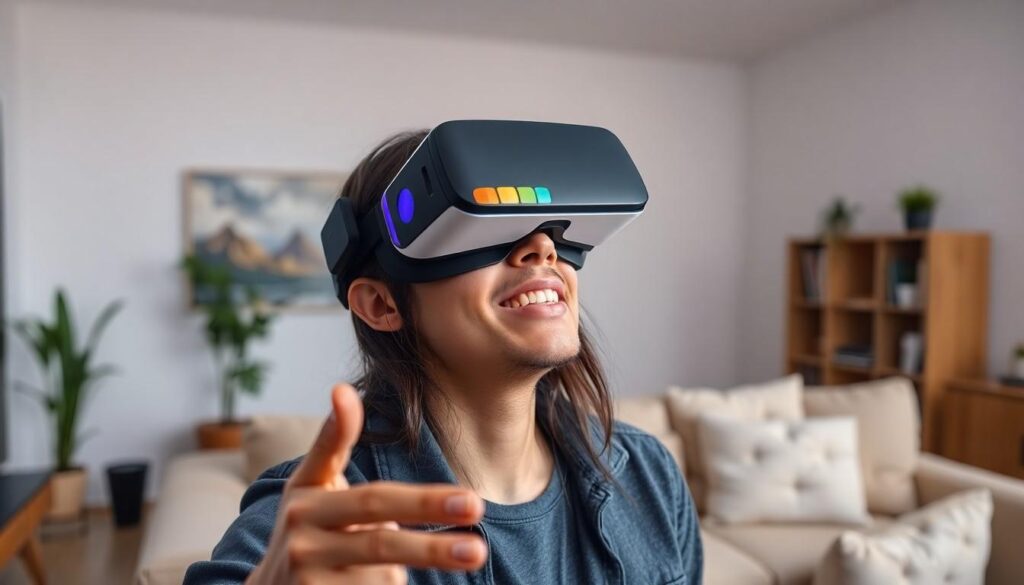
Virtual reality headsets promise a thrilling escape from reality, but at what cost? As users dive into immersive worlds, questions about eye health start to loom like a digital monster in the corner of their vision. Are these futuristic gadgets the next big thing or a recipe for eye strain and discomfort?
With the rise of VR experiences, it’s crucial to explore whether these devices are friend or foe to our precious peepers. While they can transport users to fantastical realms, the potential effects on eye health can’t be ignored. So, let’s don our virtual goggles and take a closer look at the science behind VR and its impact on vision. After all, you wouldn’t want to trade your sight for a pixelated paradise, would you?
Table of Contents
ToggleOverview of VR Headsets
VR headsets create immersive environments by displaying 3D visuals directly in front of the user’s eyes. These devices typically consist of lenses, screens, and sensors that track motion. Users wear VR headsets over their eyes, allowing them to engage in various virtual experiences.
Most consumer headsets feature technology such as OLED or LCD screens. OLED screens provide deep blacks and vibrant colors while LCD screens may offer greater brightness. Tracking technologies, like inside-out or outside-in systems, enhance user interaction by monitoring head movements.
Focal length and interpupillary distance are critical factors in the design of VR headsets. Focal length relates to how far away the screen appears, while interpupillary distance adjusts for the spacing between users’ eyes. Incorrect adjustments can lead to discomfort and visual strain.
Screen refresh rates also play a significant role in the user experience. High refresh rates minimize motion blur and provide smoother visuals, reducing the chances of eye fatigue. Some manufacturers recommend taking regular breaks to mitigate potential eye strain during extended use.
Furthermore, VR headsets often include adjustable settings, allowing users to customize their experience. Options include changing screen brightness or modifying the field of view. Adjustments can lead to a more comfortable experience and help alleviate symptoms of discomfort.
Overall, understanding the technical components of VR headsets aids in recognizing how they can affect eye health. Ensuring ergonomic use becomes essential for maximizing enjoyment while minimizing potential negative effects on vision.
Understanding Eye Strain
Eye strain often occurs during extended use of VR headsets. Users should recognize its causes and symptoms for better eye health.
Causes of Eye Strain from VR
Incorrect settings on VR headsets often contribute to eye strain. Lenses not adjusted for interpupillary distance can create visual discomfort. Limited refresh rates result in motion blur that causes fatigue. Insufficient breaks during long sessions lead to overexertion of eye muscles. Additionally, blue light emission from screens contributes to strain over time. Poor lighting conditions in the environment can further exacerbate these issues. Adjusting the headset properly can alleviate some of these problems and enhance comfort.
Symptoms of Eye Strain
Symptoms of eye strain can vary widely among users. Common indicators include dryness or discomfort in the eyes. Blurred vision tends to occur after prolonged use of VR headsets. Headaches or migraines often develop due to visual overload. Difficulty focusing on tasks after removing the headset can signal fatigue. Some users report neck or shoulder pain as a consequence of maintaining awkward postures. Recognizing these symptoms early helps users take the necessary steps to mitigate their effects.
Scientific Studies on VR and Eye Health
Scientific research examines the effects of VR headsets on eye health. Evidence-based studies provide insights into potential risks and benefits.
Research Findings
Numerous studies explore the relationship between VR usage and eye strain. Findings indicate that prolonged use might lead to discomfort, characterized by symptoms like dryness and blurred vision. A study published in Ophthalmology found users experienced increased eye fatigue. Research also highlights that adjusting device settings, such as interpupillary distance, can mitigate symptoms. The American Academy of Ophthalmology recommends breaks every 30 minutes to reduce strain. Data suggests that individual sensitivity to blue light varies, with some experiencing more discomfort than others.
Expert Opinions
Eye care professionals emphasize the significance of understanding VR effects. Experts recommend mindful usage practices to avoid eye strain. Dr. A. Smith, an ophthalmologist, states that while VR can be engaging, users must recognize their limits. Adjusting headset settings tailored to individual preferences enhances comfort, according to Dr. B. Jones, a vision scientist. Many professionals echo the need for regular breaks during extended sessions. They also note varying sensitivities among users, underscoring the importance of personalized adjustments.
Factors Influencing Eye Comfort
Understanding key factors influencing eye comfort during VR use helps minimize discomfort. Several elements contribute to maintaining visual health while enjoying immersive experiences.
Duration of Use
Extended sessions of VR can lead to increased eye strain. Users should limit continuous usage to 30 minutes. Taking short breaks allows eyes to rest effectively. Frequent mini-intermissions help in reducing symptoms like dryness and blurred vision. Recommendations suggest that users actively monitor their comfort levels throughout the experience. Recognizing when fatigue sets in is crucial for overall eye health.
Screen Quality
The quality of the screen significantly impacts eye comfort. High-resolution displays minimize visual strain, providing clearer images. Low-quality screens can cause eyes to work harder, leading to fatigue. Refresh rates also play a role; higher refresh rates reduce motion blur and enhance the smoothness of visuals. Options between OLED and LCD can affect brightness and color accuracy, thus influencing user comfort. Proper adjustments in headset settings facilitate a better viewing experience and lower the risk of discomfort.
Safety Tips for VR Users
Taking precautions enhances the VR experience. Users should adjust interpupillary distance settings properly to avoid visual discomfort. Staying mindful of breaks is essential, with recommendations to rest every 30 minutes. Eye care professionals advocate for frequent pauses to reduce strain.
Maintaining good lighting conditions in the gaming area improves comfort. Those using VR should also ensure screens have high resolution to minimize fatigue. Addressing the refresh rate is important, as higher rates reduce motion blur and enhance visual smoothness.
It’s vital to monitor the length of each session. Limiting sessions to 30 minutes or less can effectively alleviate strain. Users should remain aware of discomfort symptoms, such as dryness and blurred vision, signaling the need for rest.
Employing blue light filters on devices can reduce eye fatigue. Wearing appropriate corrective lenses while using VR headsets also aids in maintaining clear vision. Additionally, keeping the headset clean ensures that no smudges affect clarity.
Tracking personal comfort during use allows users to make necessary adjustments. Personal comfort settings provide a better experience, reducing the likelihood of discomfort. Following these safety tips contributes significantly to eye health while enjoying immersive virtual environments.
VR headsets offer exciting immersive experiences but come with potential risks for eye health. Users should remain aware of the symptoms of eye strain and take proactive measures to ensure comfort. By adjusting headset settings and taking regular breaks, individuals can significantly reduce discomfort.
It’s essential to prioritize eye health while enjoying virtual worlds. With mindful usage and attention to personal comfort, users can make the most of their VR experiences without compromising their vision. Staying informed about the effects of VR on eye health will help users navigate this innovative technology safely.